Why Everyone Is Obsessed With Aperitif Culture Right Now
From spritzes at golden hour to vermouth and tonic before dinner, aperitif culture has become a modern lifestyle ritual rooted in slower living, connection, and mindful drinking.
By Joseph Clarke · February 10, 2026
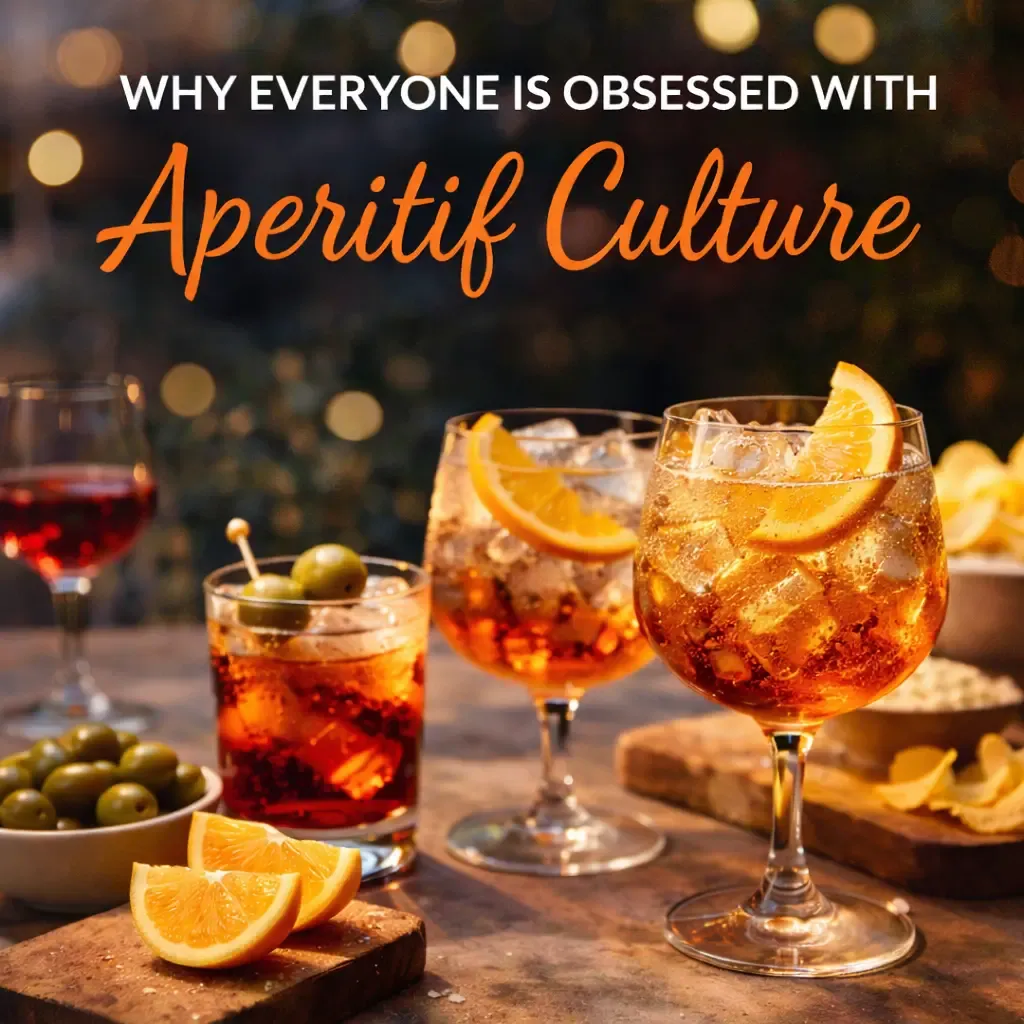
If you’ve noticed more spritzes on your feed, more wine glasses at golden hour, and more people casually dropping the word “aperitivo” like it’s a personality trait — you’re not imagining things. Aperitif culture is everywhere right now.
But this isn’t just another drink trend. Aperitif culture reflects a bigger shift in how people want to live: slower, softer, more intentional, and more connected.
So, What Exactly Is Aperitif Culture?
Traditionally, an aperitif is a light drink enjoyed before a meal to stimulate the appetite. The word comes from the Latin “aperire,” meaning “to open.”
But aperitif culture is about much more than what’s in the glass. In countries like Italy, France, and Spain, aperitivo or apéritif hour is a daily ritual — not a special occasion.
- A light drink
- Simple snacks
- Good company
- No rush
- No pressure
It’s not about getting drunk or showing off mixology skills. It’s about easing into the evening and letting the day soften around you.
The Anti-Hustle Drinking Trend
One reason aperitif culture feels so refreshing right now is because it quietly rebels against hustle culture. For years, drinking culture centered on late nights, strong cocktails, and next-day regrets.
Aperitif culture offers a gentler alternative. You don’t need to stay out late. You don’t need multiple drinks. You don’t need a reason beyond wanting a moment to pause.
Low-Alcohol Is No Longer a Compromise
Aperitif drinks typically fall between 5–15% ABV, making them flavorful without being overwhelming. Aperol, Campari, vermouth, sherry, amaro, and sparkling wine all deliver complexity without heaviness.
This shift has changed how people socialize. You can sip slowly, enjoy a second glass, and still feel present — mentally and physically.
Why Aperitif Culture Looks So Good on Social Media
Let’s be honest: aperitif culture photographs beautifully. Golden hour light, bubbles in a glass, olives on a small plate, and relaxed tables with friends feel aspirational without being unattainable.
It’s lifestyle content that feels calm, real, and inviting — not loud or performative.
Accessibility Is the Secret
One of the biggest reasons aperitif culture has taken off is how easy it is to adopt. No fancy tools. No rare spirits. No complicated techniques.
A vermouth and tonic takes seconds. A spritz needs three ingredients. A glass of chilled wine works just fine.
The Return of Hosting — Without the Stress
Aperitif culture fits perfectly into modern hosting. It allows people to gather without committing to elaborate meals or hours of preparation.
You can host casually, serve simple snacks, let people arrive organically, and end the evening early if you want. Hosting becomes social again — not exhausting.
Connection Over Consumption
Because aperitif drinks are lighter, conversations last longer. People listen more, talk more, and stay present. The focus shifts from drinking to connecting.
A Taste of Europe, No Plane Ticket Required
A Campari and soda or an Aperol Spritz at home can feel like a small escape. Aperitif culture offers everyday rituals that make life feel richer — even when staying local.
Why Aperitif Culture Isn’t Going Anywhere
Unlike fast-moving drink trends, aperitif culture is sustainable. It’s healthier, flexible, social, and adaptable to real life.
Once people experience how good it feels to slow down before the night begins, it’s hard to go back.
Final Thought: It’s Not Just a Drink
Aperitif culture isn’t about spritzes or vermouth alone. It’s about reclaiming time, choosing connection over excess, and allowing pleasure without guilt.
In a world that’s always rushing forward, aperitif culture invites us to pause — glass in hand — and enjoy what’s already here.