Are People Drinking Less Alcohol These Days?
Are people drinking less alcohol today? Explore how wellness culture, sober curiosity, generational shifts, and mindful drinking are reshaping modern alcohol habits.
By Joseph Clarke · January 1, 2026
Alcohol has long been a centerpiece of social life, celebration, and relaxation. For decades, drinking was considered a default part of adulthood, woven into dinners, parties, holidays, and even professional networking. But in recent years, a noticeable shift has emerged. More people are questioning how much they drink, why they drink, and whether alcohol truly enhances their lives.
So, are people actually drinking less alcohol these days? The answer is complex, but trends across wellness culture, generational behavior, and social attitudes suggest that many are consuming alcohol more intentionally—or opting out altogether.
The Rise of Mindful Drinking
Mindful drinking has become a defining concept in modern alcohol culture. Rather than quitting entirely, many people are choosing to drink less, drink better, and drink with intention. This shift prioritizes quality over quantity and awareness over habit.
Wellness culture has played a major role in this change. As conversations around mental health, sleep quality, gut health, and emotional balance have become mainstream, alcohol’s impact on the body has come under closer scrutiny.
Dry January and the Sober-Curious Movement
Dry January has become one of the most visible signs that people are reassessing their relationship with alcohol. What began as a temporary challenge has evolved into a cultural reset for millions worldwide.
Alongside it, the sober-curious movement encourages exploration without labels. People are no longer forced to choose between drinking heavily or quitting entirely. Instead, moderation and flexibility are embraced.
Generational Shifts in Drinking Habits
Younger generations, particularly Millennials and Gen Z, are drinking less alcohol than previous generations at the same age. Research and social observation suggest that younger adults prioritize mental clarity, productivity, and financial wellness.
Social media has also reshaped behavior. Nights out are now documented, shared, and replayed, making the downsides of excessive drinking more visible than ever before.
The Explosion of Non-Alcoholic Alternatives
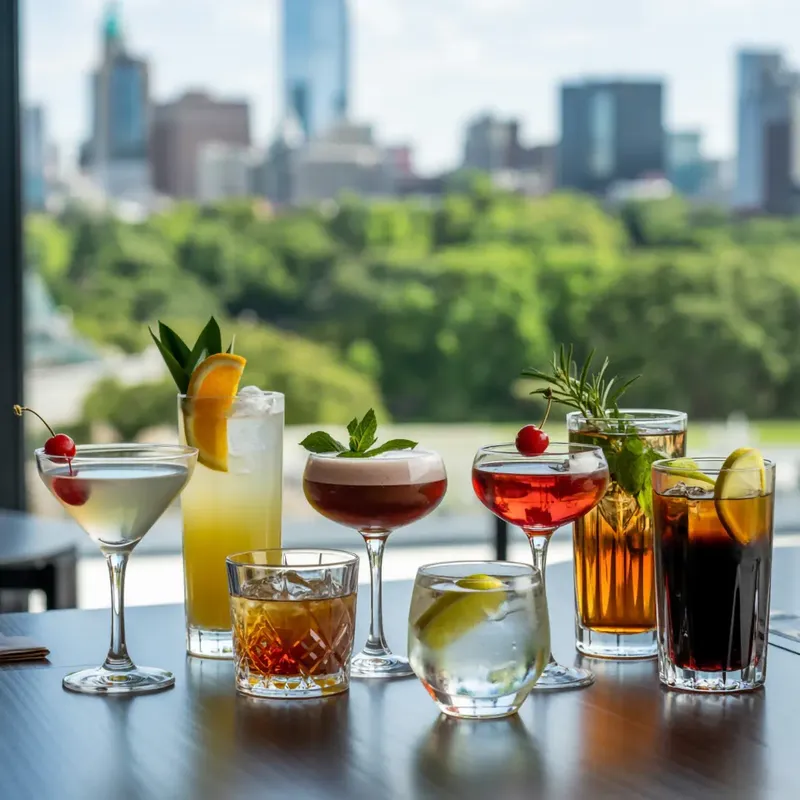
One of the strongest indicators that people are drinking less is the rapid growth of non-alcoholic beverages. Alcohol-free spirits, zero-proof cocktails, and sophisticated mocktails now occupy shelf space once dominated by liquor.
These options allow people to maintain social rituals without alcohol, reinforcing the idea that connection doesn’t require intoxication.
Health Awareness and Long-Term Wellness
As health education becomes more accessible, people are increasingly aware of how alcohol affects sleep, hormones, mental health, and inflammation. Even moderate drinking is now examined through a wellness lens.
For many, reducing alcohol isn’t about restriction—it’s about optimization. Better mornings, clearer skin, improved focus, and emotional balance are powerful motivators.
Damp January and Flexible Moderation
Not everyone embraces total abstinence. Damp January represents a more flexible approach, allowing occasional drinks while still significantly reducing consumption.
This mindset reflects a broader cultural shift away from extremes. Balance, sustainability, and self-awareness are now valued over rigid rules.
Are People Drinking Less—or Just Differently?
While some people are drinking less overall, others are changing how and when they drink. Social drinking may replace habitual drinking, and intentional occasions replace mindless routines.
The cultural narrative around alcohol is evolving. Drinking is no longer assumed—it’s a choice.
The Takeaway
So, are people drinking less alcohol these days? In many cases, yes—but more importantly, they’re drinking more consciously. Whether through Dry January, mindful moderation, or alcohol-free alternatives, modern drinkers are redefining what it means to socialize, celebrate, and unwind.
This shift isn’t about eliminating alcohol—it’s about empowerment, choice, and living intentionally. And that may be the most significant change of all.